
Common Appliance Problems in East Bridgewater Homes
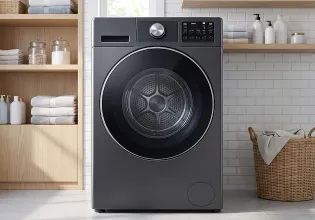
A dryer that takes two full cycles to dry a single load usually points to a clogged vent — and in many older East Bridgewater homes, that vent runs a long path through a basement wall before reaching the outside. That extra length collects lint faster than a short, straight run would, and the problem builds quietly until the dryer overheats or stops heating altogether.
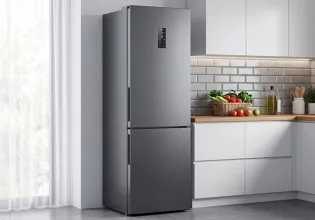
- Refrigerators that run constantly but never get cold enough — often the condenser coils are packed with dust, especially when the fridge sits in a tight alcove with limited airflow behind it.
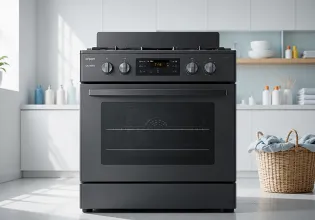
- Gas stoves where one burner clicks but won't ignite. Usually a dirty igniter, but in homes with older gas lines, it's worth confirming the shutoff valve is fully open before assuming the worst.
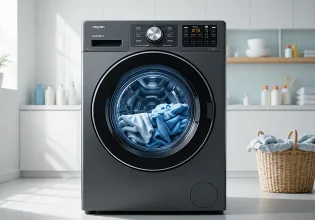
- Washers that leave standing water at the bottom of the drum. A kinked drain hose is common in basement laundry setups where the machine gets pushed too close to the wall.
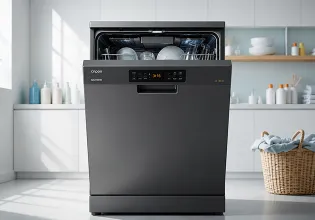
- Dishwashers that finish a cycle with food still stuck to plates — a clogged spray arm or a failing wash motor, not necessarily a water pressure issue.
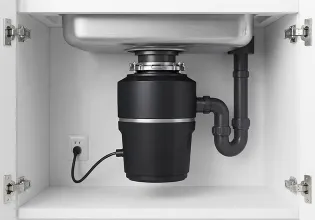
- Garbage disposals that hum but won't spin, often jammed by a small bone or piece of glass wedged under the impeller.
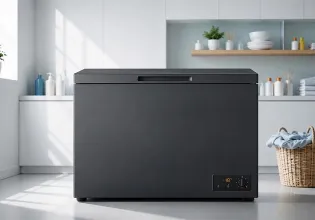
- Chest freezers in garages that frost up heavily during humid New England summers, sometimes tripping the defrost sensor or icing over the drain tube.
Local Permit, Safety, and Disposal Rules in East Bridgewater
When an appliance repair turns into a replacement — say the gas valve on a twenty-year-old stove finally fails and parts are discontinued — the job crosses from simple repair into territory that requires permits. In East Bridgewater, the Building Department at 175 Central Street handles gas, electrical, and plumbing permits, and the town requires that permits be pulled before work begins. If someone is connecting a new gas stove or switching a dryer from electric to gas, a licensed gas fitter has to do that work. That's not just a local preference — it's required under the Massachusetts Plumbing and Gas Fitting Code, and unlicensed gas work is a state code violation. Before you sign off on an installation, ask the contractor for a permit number.
Plumbing permits apply too. Hooking up a new dishwasher or installing a garbage disposal that ties into the drain line means a licensed plumber needs to handle the connection and the town needs to inspect it. Electrical permits cover new or replacement hookups — so if you're swapping a gas range for an electric one and need a 240-volt outlet installed, that's a separate permit through East Bridgewater Building Inspections. It sounds like a lot of paperwork for one appliance, but skipping it can create problems at resale or with insurance claims.
Fire safety is the other piece that touches appliance work directly. The East Bridgewater Fire Department enforces fire prevention rules that cover gas appliances and dryer venting. Massachusetts law requires carbon monoxide alarms in every home that has a fossil-fuel-burning appliance — that includes gas stoves, gas ovens, and gas dryers. If your CO detector is expired or missing and you're having a gas appliance serviced, that's a good time to replace it. Dryer vent fires remain one of the most common residential fire hazards, and the Fire Department treats clogged or improperly routed vents as a prevention priority. Check your vent termination outside the house; if you can't feel airflow while the dryer runs, the line needs cleaning.
Disposal of old appliances follows its own rules in town. You cannot leave a dead refrigerator or washer at the curb on your regular trash day. Large appliances are classified as bulky items, and residents need to contact the DPW to schedule a special pickup. Refrigerators and freezers require extra handling because of the refrigerant inside — federal and state regulations mandate proper recovery before disposal. Visit the East Bridgewater DPW Solid Waste and Recycling page to arrange collection before your old unit sits in the garage for months.
What Makes Appliance Repair in East Bridgewater Different
East Bridgewater is a Plymouth County town with a housing stock that spans decades — from older single-family homes built well before modern appliance standards to newer construction with updated electrical panels and gas lines. In the older homes, a technician replacing a dishwasher might find copper supply lines with compression fittings that haven't been touched in forty years, or a dryer vent that was routed through a crawl space in a way that no longer meets code. These aren't unusual problems, but they mean the job takes longer and sometimes requires a permit that a straightforward swap in a newer house wouldn't.
The town's appointment-based bulky item pickup also changes how homeowners think about the repair-versus-replace decision. In some neighboring communities, you can leave an old washer curbside on a designated heavy trash week. In East Bridgewater, you have to plan ahead and coordinate with the DPW. That extra step makes it worth getting a proper diagnosis before deciding a machine is done — because if the repair is straightforward, you avoid the disposal logistics entirely. Homeowners here are also protected under Massachusetts Consumer Protection Law Chapter 93A, which prohibits deceptive practices by service providers and allows consumers to pursue damages for willful violations.
Appliance Replacement and Household Equipment Considerations in East Bridgewater
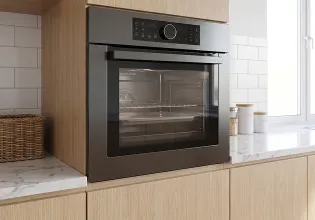
When repair no longer makes sense — the compressor on a fifteen-year-old refrigerator fails, or the control board on a high-end oven costs more than half the price of a new unit — the next steps involve more than just picking a model. Gas appliance replacements in East Bridgewater require a gas permit from the Building Department before the installer touches the line. Electrical replacements that change the circuit — adding a dedicated 20-amp line for a new dishwasher, for example — need an electrical permit. Plumbing connections for washers, dishwashers, and disposals require a licensed plumber and a plumbing permit. Ask your installer whether they'll handle the permit or if you need to coordinate with the town directly.
Getting rid of the old unit is the other half of the equation. Refrigerators and freezers can't simply go to the curb because the refrigerant has to be recovered by a certified technician before the appliance is scrapped. The East Bridgewater DPW Solid Waste and Recycling program handles scheduling for bulky item pickup, so reach out to them once you know the replacement date. Some delivery companies will haul away the old appliance, but confirm ahead of time whether they handle refrigerant recovery — not all of them do.
Gas appliance installations also need to comply with Massachusetts Fire Prevention Regulations in addition to local building permits. That means the gas connector, shutoff valve, and venting all have to meet current code. In older East Bridgewater kitchens where a gas stove has sat in the same spot for decades, the existing flexible connector may not meet today's standards. A good installer will flag that before finishing the job.
Building Inspections
175 Central Street
East Bridgewater, MA 02333
Official Website
Areas We Serve Throughout East Bridgewater
We provide appliance repair service to homes throughout East Bridgewater. Because the town does not break down into formally named neighborhoods the way a larger city would, we serve the full community — from the older homes near the town center to the newer subdivisions farther out. Here's what we typically see across different parts of town:
- Homes near Central Street and the town center — Many of these are among the oldest in East Bridgewater, with compact kitchens where a full-size refrigerator barely clears the doorway. Gas line connections in these houses sometimes use older fittings that need updating during a replacement.
- Properties along Route 18 — A mix of housing ages and styles. Dryer vents in split-level homes here often run horizontally through a finished basement, adding length that traps lint faster than a straight vertical run.
- Residential streets off Plymouth Street — Mostly single-family homes with basement laundry setups. Washer drain hoses in these basements tend to feed into older standpipes that can slow drainage over time.
- Homes near Sachem Street — We often see chest freezers in attached garages here, which frost up more aggressively during humid months because the garage isn't climate-controlled.
- Neighborhoods off Bedford Street — A number of these homes were built in the mid-twentieth century with original electrical panels that may not support modern high-draw appliances without a circuit upgrade.
- Properties near Whitman Street — Older ranch-style homes where the kitchen layout leaves very little clearance behind the refrigerator, making condenser coil cleaning difficult without pulling the unit fully out.
- Homes along North Central Street — Gas service is common in this area, and we regularly service gas stoves and ovens where the igniter has worn out after years of daily use.
- Residential areas near the Bridgewater line — Newer construction with modern hookups, but even here, dishwasher installations sometimes require a plumbing permit if the builder left the rough-in incomplete.